
Key Highlights
- UK construction sites can have dangerous materials, flammable substances, and busy environments. This means they need good risk assessment and strong safety measures.
- Zone classification is important for finding areas that might have explosive atmospheres from flammable gases, vapors, and dust.
- Control of ignition sources and choosing and installing electrical equipment correctly is key to keeping safety in hazardous areas.
- DSEAR regulations help construction managers lower risks linked to dangerous substances and the layout of the site.
- Daily work at construction sites depends on following DSEAR rules. This helps improve safety practices and keep workers safe.
Introduction
Construction sites in the UK can be very risky. Workers may come into contact with dangerous areas and harmful materials. There are flammable materials and uneven ground, so it is important to have safety measures in place. Doing risk assessments and following safety rules are crucial. We also need to follow laws like the DSEAR to handle risks properly. In this article, we will look at different zone classifications, how to control ignition sources, and site layout. We will also discuss how these factors relate to legal compliance under the DSEAR rules.
Zone Definitions and Mapping in UK Construction Sites
Hazardous area classifications on construction sites help identify places that are at greater risk because of flammable substances and materials. Zones 0-2 and 20-22 are defined to show areas where gases, vapors, or dust can catch fire under certain conditions. This mapping is key to putting in place specific control measures that reduce risks effectively.
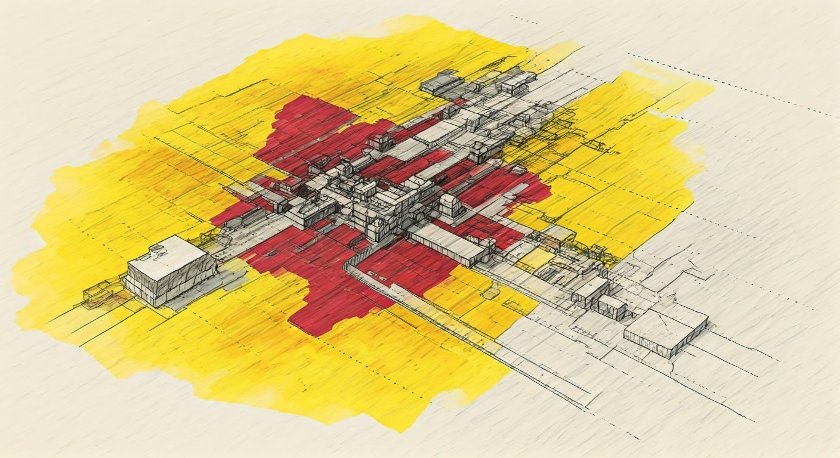
When construction managers focus on these zone definitions, they can use safety strategies that fit their needs. This helps protect their workers and follows legal rules, creating a strong safety system in ever-changing site environments.
Identifying Zones 0-2 for Gases and Vapours
On UK construction sites, there are Zones 0 to 2 for places with flammable gases or vapours. Zone 0 is where flammable substances are always present. Zone 1 is for areas that might have flammable materials sometimes. Zone 2 is for spots where explosive atmospheres could happen, but this is rare and usually in unusual situations.
Hazardous areas like these need strict rules for managing explosive atmospheres. Construction managers must regularly check these zones to find them correctly. Areas with unfinished buildings or storage often fall in these zones, creating issues for managing flammable gases and vapours.
To reduce the risks in explosion-prone areas, it’s important to follow safety rules, have strong monitoring systems, and apply the right protective actions. Proper training for construction workers who deal with hazardous substances helps make sure they can work safely in Zones 0–2 while following legal rules.
Mapping Zones 20-22 for Dust Hazards
Dust hazards often happen on construction sites. They come from tiny particles that can catch fire under certain conditions. Zones 20-22 are areas defined by different levels of dust exposure. Zone 20 has high levels of dust clouds that can be dangerous. Zone 21 has dust that appears sometimes, while Zone 22 has a low risk when things are normal.
To classify these zones, it’s important to check what is happening at the site and how dust is made. This helps construction managers to put in place control measures. Measures can include ways to lower dust in the air or using sealed storage for hazardous materials.
To manage dust hazards well, people need to wear protective equipment. Setting up barriers will help stop dust from spreading to delicate areas. Keeping equipment well-maintained can also lower the chances of fires. By carefully mapping these zones, construction sites can follow safety rules. This helps to keep everything safe and prevents problems linked to dust while meeting regulations.
Ignition-Source Control and Safety Practices
Controlling sources of ignition is important for stopping sparks and fire on construction sites with hazards. Choosing the right electrical equipment and making careful installation changes is key to reducing risks from flammable substances and explosive areas.
By following the rules from the Health and Safety Executive, managers can put strong safety measures into place. Smart choices about equipment and installation methods can greatly reduce the risk of accidents caused by ignition sources in dangerous areas.
Selection of Electrical Equipment in Hazardous Areas
Choosing the right electrical equipment for hazardous areas is very important for keeping the site safe. Laws about explosive atmospheres require that electrical devices follow strict safety rules to prevent risks near flammable substances. Equipment should be made with flame-proof and explosion-proof features to stop possible ignition sources.
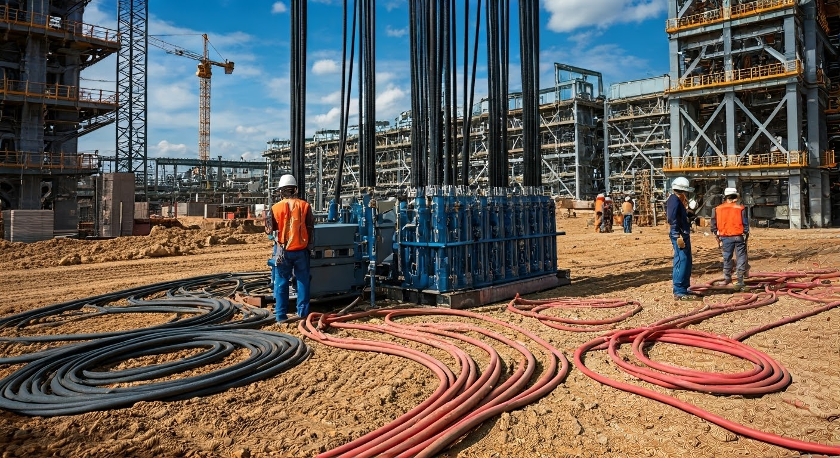
On construction sites, regular checks can help find old equipment that may not meet new safety rules. This includes tools used in tight spaces with flammable gases or vapors. Using equipment that has British Standard (BS EN) certifications helps ensure compliance with legal standards.
Teaching workers about the safe use of equipment in hazardous areas improves safety for everyone. Managers need to watch how well the equipment works. They should replace old devices quickly and check compliance documents to lessen the risks from electrical hazards in these spaces.
Installation Practices to Prevent Sparks
Proper installation of electrical systems and equipment is very important to avoid starting fires. Construction sites with dangerous zones need to take special precautions when setting up to reduce the risk of sparks. Things like grounding and isolating electrical systems help reduce these risks.
Key practices include:
- Using flame-proof enclosures for wiring systems and connectors.
- Installing explosion-proof switches and circuit breakers.
- Conducting regular testing after installation to ensure safety compliance.
The Health and Safety Executive gives clear guidance on precautions. This includes keeping a safe distance from flammable substances during installation. It also involves careful planning to use energy isolation techniques to keep the workers safe. Good installation practices help protect workers and meet site rules. They also allow construction operations to continue without stopping.
Site Layout and DSEAR Compliance
Designing construction sites with DSEAR compliance helps reduce the risks of hazardous substances. Adding safety measures in the planning stage—like arranging plant equipment, pipes, and cables—creates a safe area for everyone working on the project.
A careful approach to site layout includes doing risk assessments to lower the chance of accidents. Each step of the design follows the DSEAR guidelines. This helps managers improve operations while also addressing potential hazards from construction work and exposure to hazardous materials.
Integrating DSEAR in Plant and Pipework Design
Integrating DSEAR principles into the design of plant systems and pipes helps keep construction sites safe. These principles aim to control hazardous substances and lower exposure risks. They do this by creating safer mechanical systems.
Good plant designs focus on better containment strategies. This includes isolating areas where flammable gases or vapours are common. Pipe work should be laid out to improve material flow and prevent leaks. This can be done by using secure fittings and welded joints.
Adding DSEAR compliance to mechanical designs helps reduce workplace hazards. Training workers on how to handle dangerous substances is key. This helps site managers meet regulations while keeping things running smoothly.
Strategic Cable Routing to Minimize Risks
Effective cable routing helps keep construction sites safe. By arranging cables smartly, we can lower the chances of electrical accidents and reduce dangers from hazardous substances. It is important to know about potential hazards. These include flammable gases and underground power cables, which can cause fires. Teams can manage the degree of risk by following safety rules and using protective equipment. Proper training for workers on safe practices strengthens safety measures. This training can help lower worker fatalities and injuries.
Understanding DSEAR Regulations for Construction Sites
The Dangerous Substances and Explosive Atmospheres Regulations (DSEAR) set clear safety rules for construction sites that use hazardous materials. These rules help workers and managers take steps to protect themselves from the risks of flammable substances.
When construction teams follow DSEAR standards, they can lower the chances of accidents related to explosive atmospheres. This leads to safer daily activities. Being compliant also helps avoid legal issues and encourages a culture focused on preventing harmful situations.
Key Provisions of DSEAR for Construction Managers
DSEAR lays out clear responsibilities for construction managers. It makes sure that safety rules are followed in places with dangerous substances. Managers need to look for risks early to find any dangerous areas. This also means they must create detailed documents for risk checks and plan safety steps for high-risk spots.
To comply, they must provide workers with protective equipment like flame-resistant gloves and respirators. They also need to ensure that workers get thorough training based on DSEAR guidelines. If any issues or accidents happen in dangerous areas, they must be handled quickly to avoid them from happening again.
Putting these rules into action helps create safer construction site operations and makes managers more responsible.
Impact of DSEAR on Daily Construction Operations
DSEAR rules have a big impact on how daily construction work is organised. They help put safety measures right into how people work. When we find hazards through risk assessment, we need to change routines. This change prioritises the safety of workers. For example, there should be stricter rules for handling flammable substances.
These rules also set clear guidelines for using tools. Managers must check that equipment works well to reduce risks. The layout of the site may need to be checked regularly, especially where hazardous materials are kept close to daily work areas.
Following DSEAR guidelines raises safety standards on UK sites. This helps keep operations steady while also focusing on the safety of everyone involved.
Conclusion
In summary, it’s very important to understand hazardous areas on UK construction sites. This helps keep operations safe and compliant. Properly defining and mapping zones is key for spotting risks from gases, vapours, and dust. It’s also crucial to use control measures to manage ignition sources. Following DSEAR regulations guides how to choose and set up equipment to lessen hazards. When construction managers focus on these practices, they can lower risks and make the workplace safer. If you want more insights and advice on how to use these safety measures, feel free to contact us to set up a consultation.
Frequently Asked Questions
What are the most common hazards in UK construction sites?
Construction hazards are things that can make work unsafe. They include working high up, being around dangerous materials, moving objects, and loud noises. Other dangers are dust, asbestos, and electrical issues. Doing a proper risk assessment is very important. It helps keep construction workers safe and reduces the chances of accidents in hazardous areas.
How can construction sites effectively implement zone mapping?
Effective zone mapping needs hazardous area classification through careful risk assessments. Construction managers can find risks from flammable gases, vapors, or dust. They can then apply safety measures to control these potential hazards. Training workers to identify these risks is important for improving safety and following rules.
What are the best practices for ignition-source control?
The best ways to control ignition sources include choosing flame-proof electrical equipment, keeping systems away from flammable areas, and following safety rules for installation. Workers need to wear protective gear. Managers should plan the layout based on the unique hazards at the site.
How does DSEAR affect the layout of construction sites?
DSEAR affects how we design site layouts. It makes us arrange plants, pipework, and cables in safer ways to reduce risks from hazardous substances. This leads to a safer workplace. Here, safety measures can help prevent accidents and ensure we follow the law.